heading

Designs by Peter Van Riet cannot easily be put into boxes and categories. This Belgian product designer uses cross-disciplinary methods to create products with a large surplus value.

Peter Van Riet’s professional career is marked by drive and a passion for the field. Upon graduation as product developer from the Henri Van de Velde Institute in Antwerp, he gained experience at various companies and captured numerous nominations and prizes.


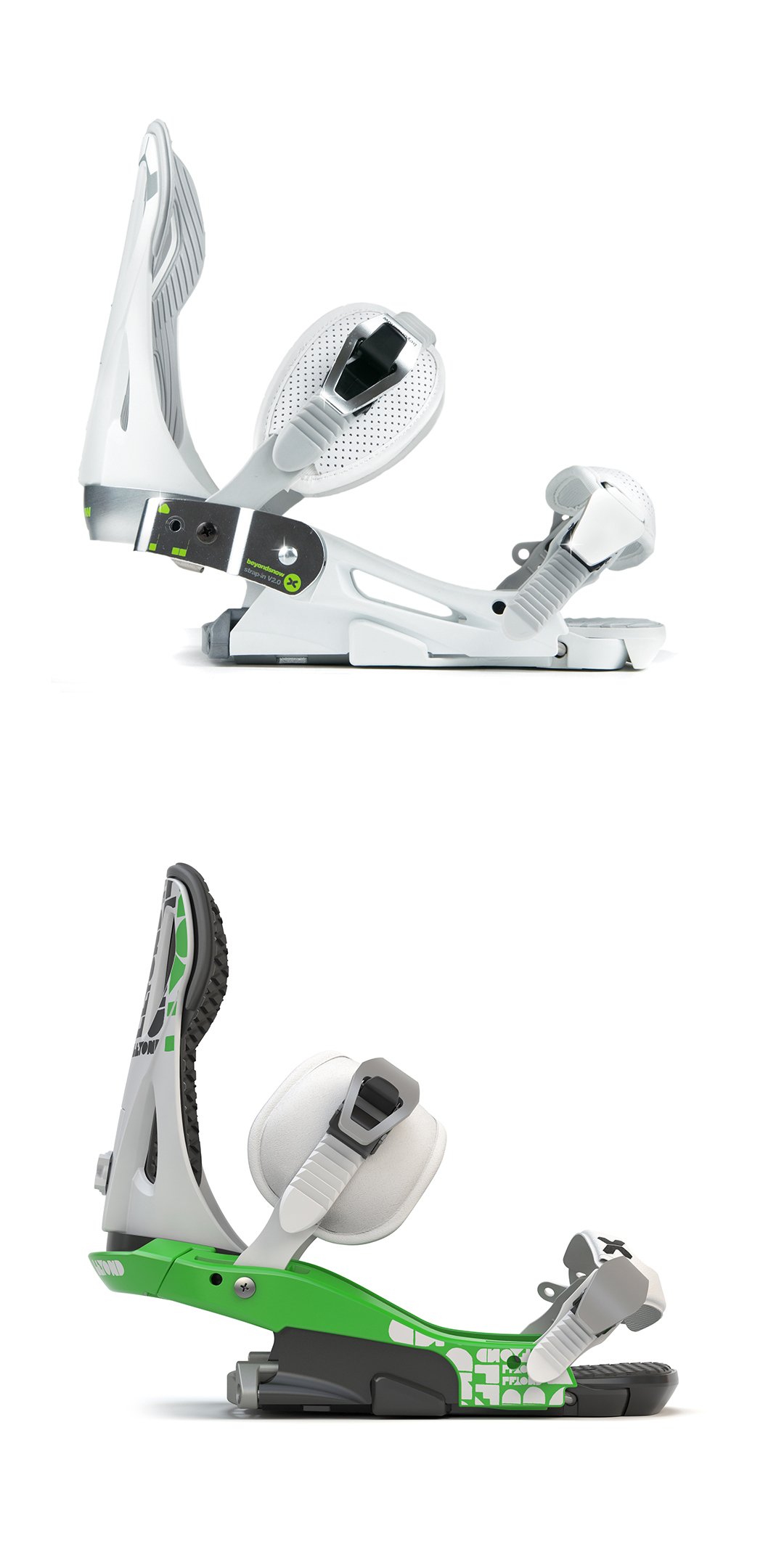
Aside from his work as a designer and product developer, Van Riet has shown himself to be a successful entrepreneur as well. His instruction came from the Innovation & Entrepreneurship training at the Vlerick Management School. This training, combined with much of his own research, led to the founding of three different firms. He counts among his successes the founding of the first Belgian snowboarding magazine Prime Magazine (1996), design firm Product Projects (1998-2008), and the company Beyond Products (2004-2009), which developed a new snowboard binding under the name Beyondsnow. In 2009, he opened design firm Studio Peter Van Riet, which is oriented towards various sectors, from singular products to a company’s global image strategy.


Many of Van Riet’s designs are situated within the domains and mutually overlapping areas of interior design, lighting, sports & fashion, and electronics. Cross-disciplinary thinking plays an important role in determining his vision. There is an interplay among aspects of various sectors which are combined into a logical and innovative whole. The beginning of this creative process is initiated within a methodological framework. He views designing as a process in which the technological, economical, and human aspects of a product are manifested in function of the framework he is provided with. This makes a strong interaction with his clients is an indispensable part of the process.

Yet methodology alone is, in his opinion, not enough to be able to design. A product’s emotional force has become increasingly important. More and more, it comes down to adding a surplus value to an object’s merely functional characteristics. Furthermore, the activity of designing itself has become a much broader concept. Companies no longer think in terms of isolated products. Each product is an element in the big picture, in the complete image, and in the company’s strategy.